Direct-to-Film (DTF) is a transfer printing process: the design is printed onto a PET film, coated with a hot-melt adhesive powder, cured – and then pressed onto the textile with a heat press. Unlike direct-to-garment printing, the textile itself never passes through the printer.
How the process works
- Print: the printer applies the colours (CMYK) and then a white layer onto the film – mirrored, because the film is later turned over.
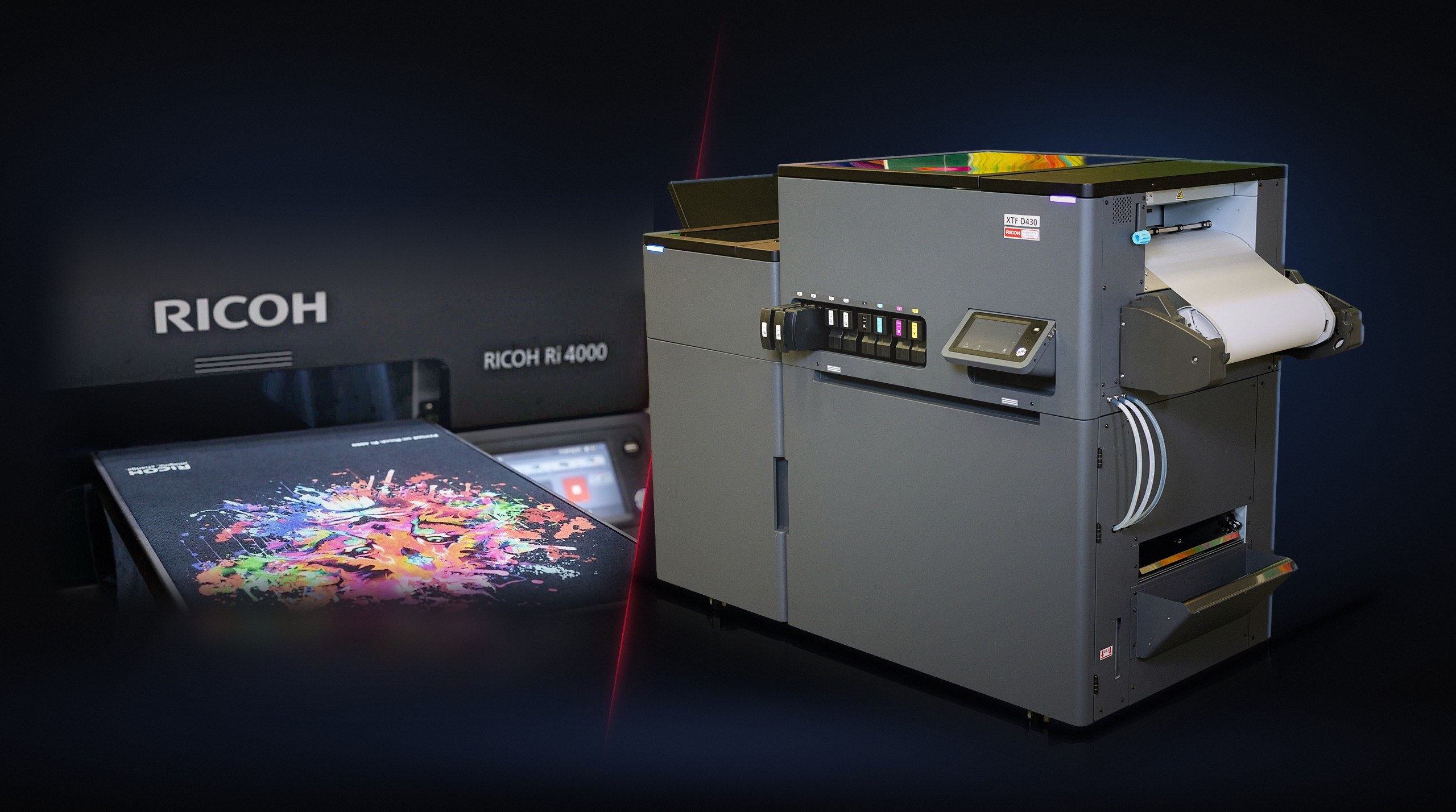
- Powder: adhesive powder is applied to the still wet ink and the excess is removed – on systems like the XTF D430 automatically.
- Cure: heat melts the powder into an even adhesive layer.
- Press: the transfer is pressed onto the textile and the film is peeled off.
Advantages
DTF works on almost any material – cotton, polyester, blends, nylon and softshell – on light and dark textiles alike. There are no set-up costs per design, which makes it economical for single pieces and small to medium runs. Transfers can be produced in advance and pressed later.
Limits
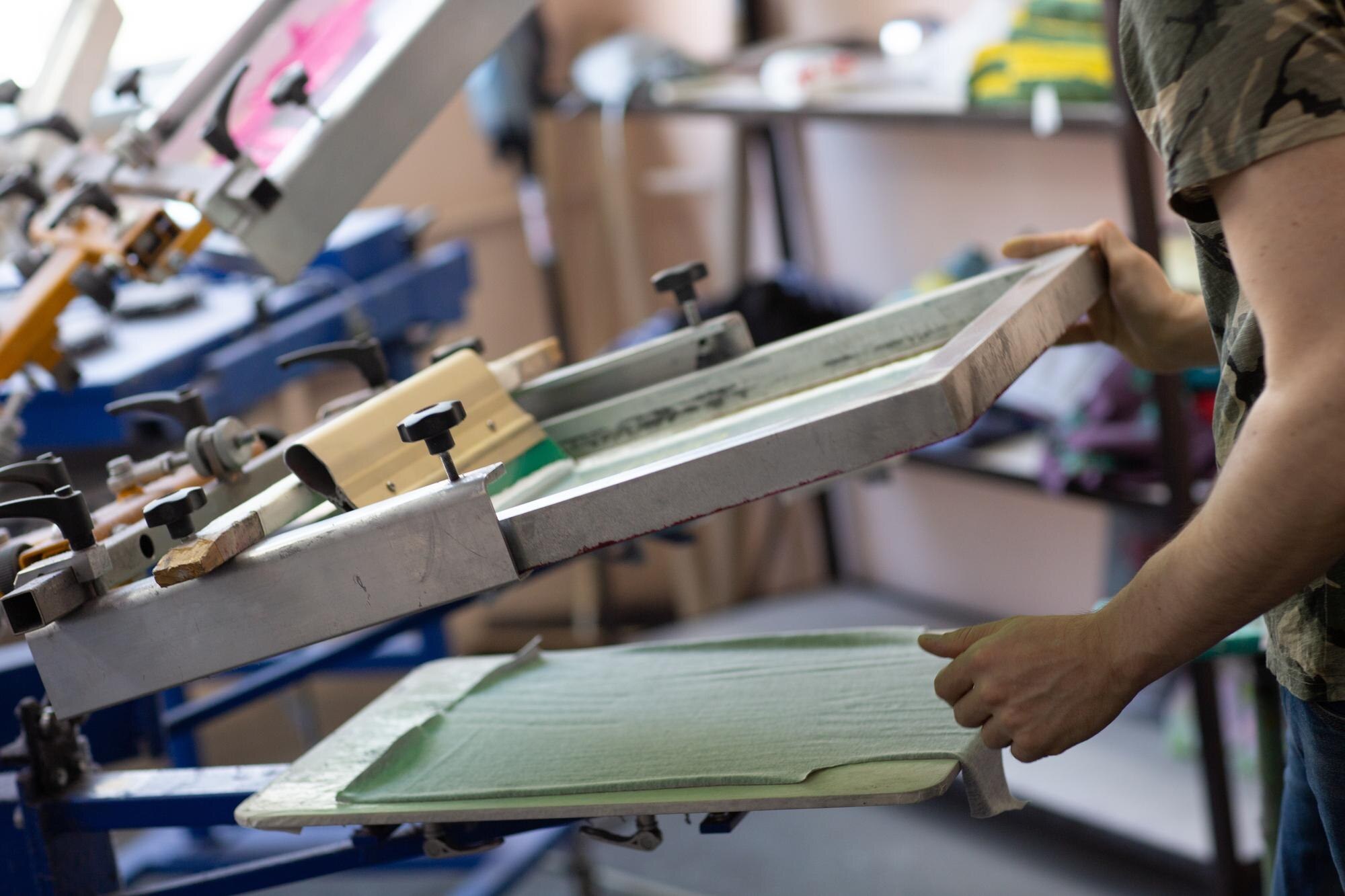
The adhesive layer is noticeable on large areas; for very large runs of simple designs, screen printing can be cheaper. Wash resistance depends on the right curing and pressing parameters – and on the quality of ink and powder.
Staging sample article – to be reviewed and extended in the editorial hub.